

One moment I’m spreading pâté on a slice of bread. The next the phone rings. “Have you heard?”
We think everyone, us included, is going to live until 85 years of age, but then a phone call happens and the world changes.
Getting older means witnessing that the time between weddings and baptisms becomes longer and the time between funerals becomes shorter.
I thought I had an excuse for writing a very personal essay about grief. After all, this tragedy has been occupying my mind for most of this month, and if, in a monthly essay, I don’t write what occupied me for most of the month, what does that make me?
So I’ve spent a lot of time writing it with that excuse on my mind. But when I gave the essay to my editor-in-chief (read: wife) yesterday, she reminded me of my initial doubts about writing about grief and love. There is something very wrong with writing about that. Grief is prolonged love and the point of expressing it shouldn’t be gaining sympathy from the readers, bowing down after the applause for the alleged size of our heart, which gets corrupted by the mere act of expressing it. It gets corrupted even more so when this is expressed in public towards someone who will never read it, who is no longer with us. This type of writing should either be kept between me and the person addressed, or never see the light of day. I chose the latter, even though it might be the best essay I’ve ever written.
Grief really does come in waves, Joan Didion was right. I forget for a couple of days, but then it’s back.
Every essay I publish has an effect that I stop thinking about the subject after I press send. And even not publishing this one has had that effect. Maybe not completely, but less, at least.
The
greatterrible thing about writing these essays is the fact that I can’t not think about them. So if I stop thinking about one thing, I will inevitably start thinking about sentences for the next essay, instead of just not thinking. This is the main reason why I can’t get back to sleep when I wake up at night.But still. It’s hard not to agree with Dostoevsky and his proclamation that thinking is a disease when I wake up at 23:34 like yesterday (because a stuffy nose has its own ideas on how long I shall sleep) and then can’t go back to sleep because I’m too excited about the first couple of paragraphs of the next essay.
Before writing these sentences I’ve fallen into the trap of reading an essay from the Substack timeline and then encountered the common “That’s not X. That’s Y” AI pattern: “That’s not economic development. That’s expensive theater.” It has 143 likes.
To clear the bad taste in the mouth I’ve then grabbed some books and read them frantically. Nelson’s “Bluets” inspired me to write another list.
I haven’t written much anywhere this month. No journaling. No note taking. No drafts. Then I discovered a Substack that reminded me how good journaling is. Everything becomes transparent if I see it every day. But also: everything that I do every day becomes transparent. I forget about the benefits. So I stop.
Since I’ve started writing this list, the dogs from neighbors that we are surrounded with have symphonically barked four times.
Every funeral is terrible. But a funeral of a friend that was younger than me especially so.
When I told my dentist that I like to work in silence because it’s hard for me to concentrate in the hustle and bustle of a city, he looked at me like I was some sort of weirdo. He is older than me and actually loves the chaos of the city. I was a little shocked, but the fact that he rides a motorbike somewhat explains it.
Five times.
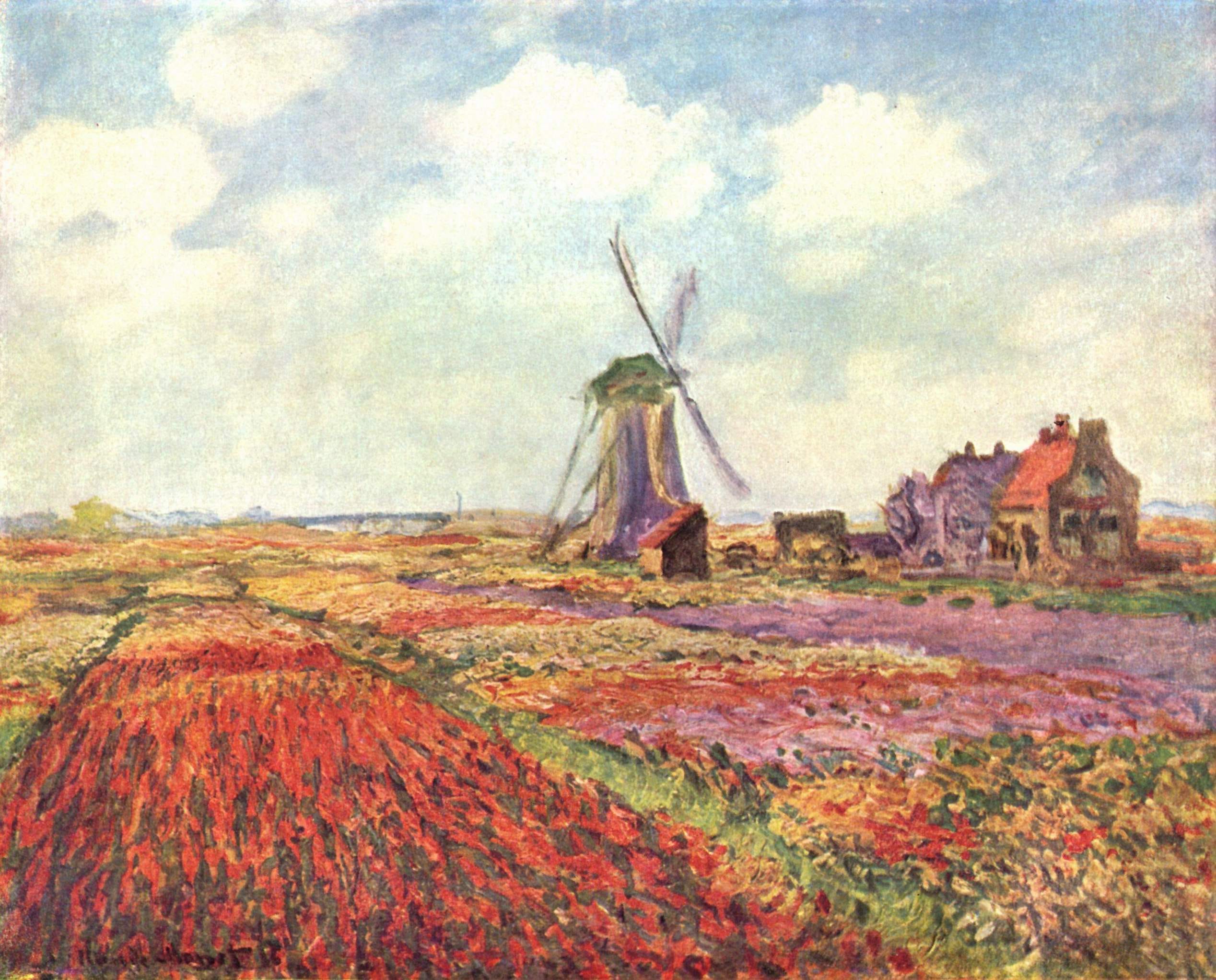
This month hasn’t been particularly good, but then I look at the red tulips that found their way through the soil, at the pink cherry tree in bloom at the neighbor’s that makes the whole street prettier, at the way the sun rays fall again on the living room walls in the afternoon. What can I do? Plant more flowers. Read more children’s books. Bake more sausage rolls.
Emerson said that “earth laughs in flowers”.
We plan to plant ridiculously many flowers along the entry path in our yard. We want to create a really good entry, per Christopher Alexander’s guidelines. The one that will delight the visitors.
We also want to delight the passersby. Hence no dogs. Instead: Japanese cherry trees so the yard is pretty in spring. Ideally also two maple trees so they are red and orange in the fall. Our yard shall laugh.
Six times. I hereby solemnly swear, I’ll never get a dog.
It’s so wholesome to see something we have planted last year find its way through the soil and then bless us with its pretty shapes and colors. It’s the beauty of life. But it doesn’t last. Nothing is permanent. Nabokov: “Beauty plus pity—that is the closest we can get to a definition of art. Where there is beauty there is pity for the simple reason that beauty must die: beauty always dies.”
you're good, man. no matter how brief your pieces are, they always convey.
I’m sorry for your loss, but inspired by your words. Life is long and sometimes it is too short. I will find a flower to admire in honour of you and your grief. I hope you find peace in the pursuit of nature.